Yin Yoga is one of the more distinct styles you will come across, precisely because it does the opposite of what most active styles ask of you. Rather than building heat and strength through movement, Yin Yoga holds a small number of poses for several minutes at a time, targeting connective tissue rather than muscle.
Yin Yoga was developed in the late 1970s by martial artist and yoga teacher Paulie Zink, who combined Taoist practices with Hatha yoga to create long, passive holds designed to increase flexibility in his martial arts students. The style was later popularised more broadly by his student Paul Grilley, alongside teacher Sarah Powers, who coined the specific term Yin Yoga to describe the passive, still aspect of the practice.
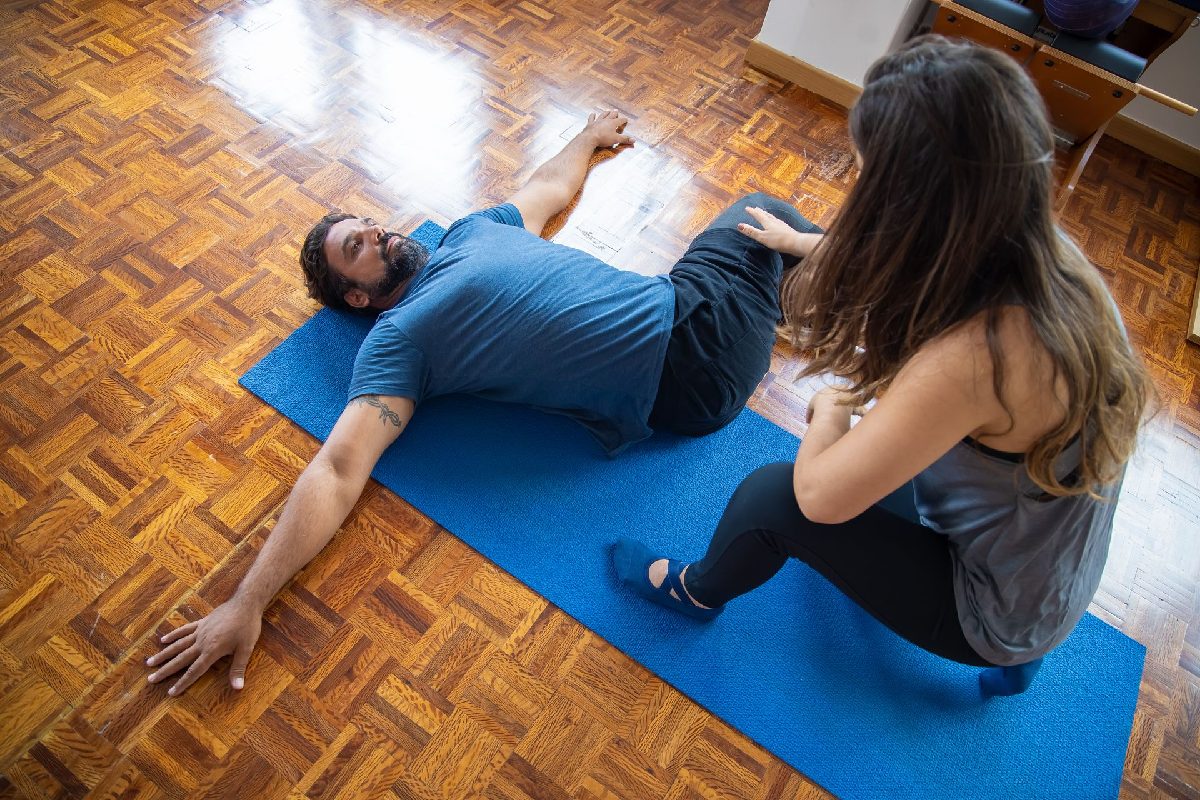
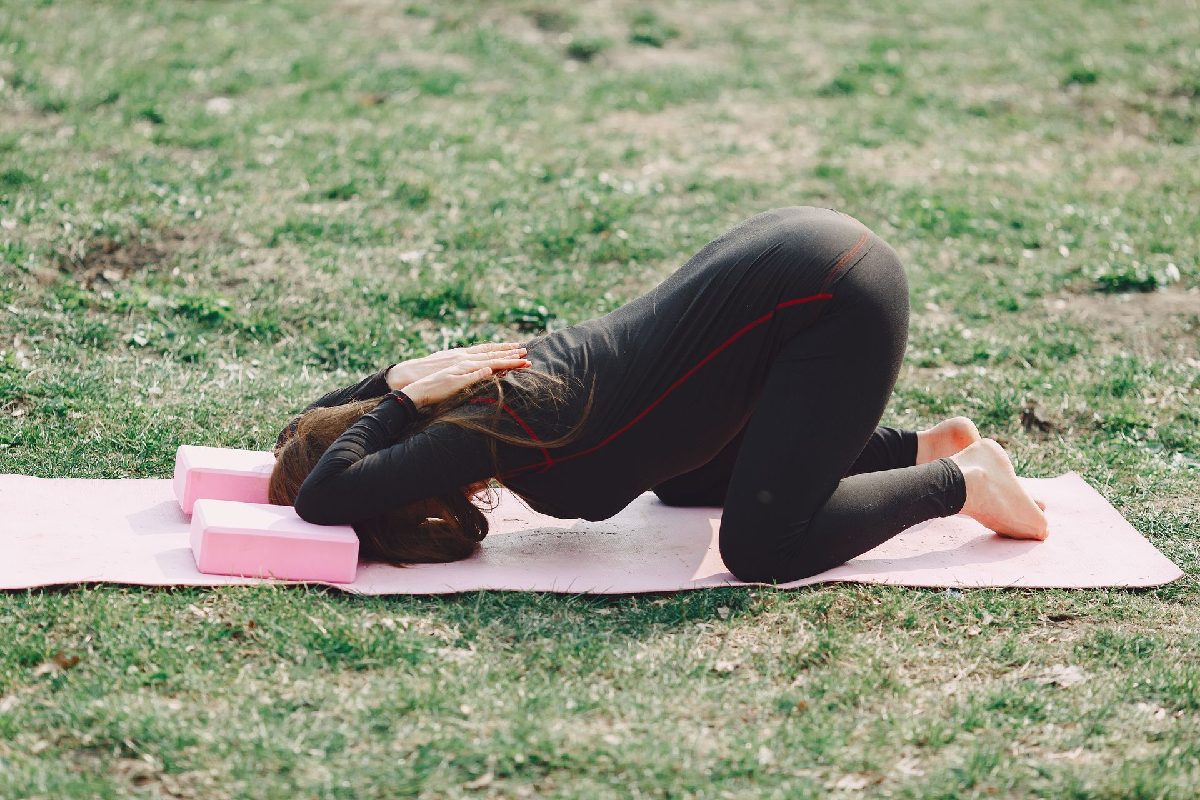
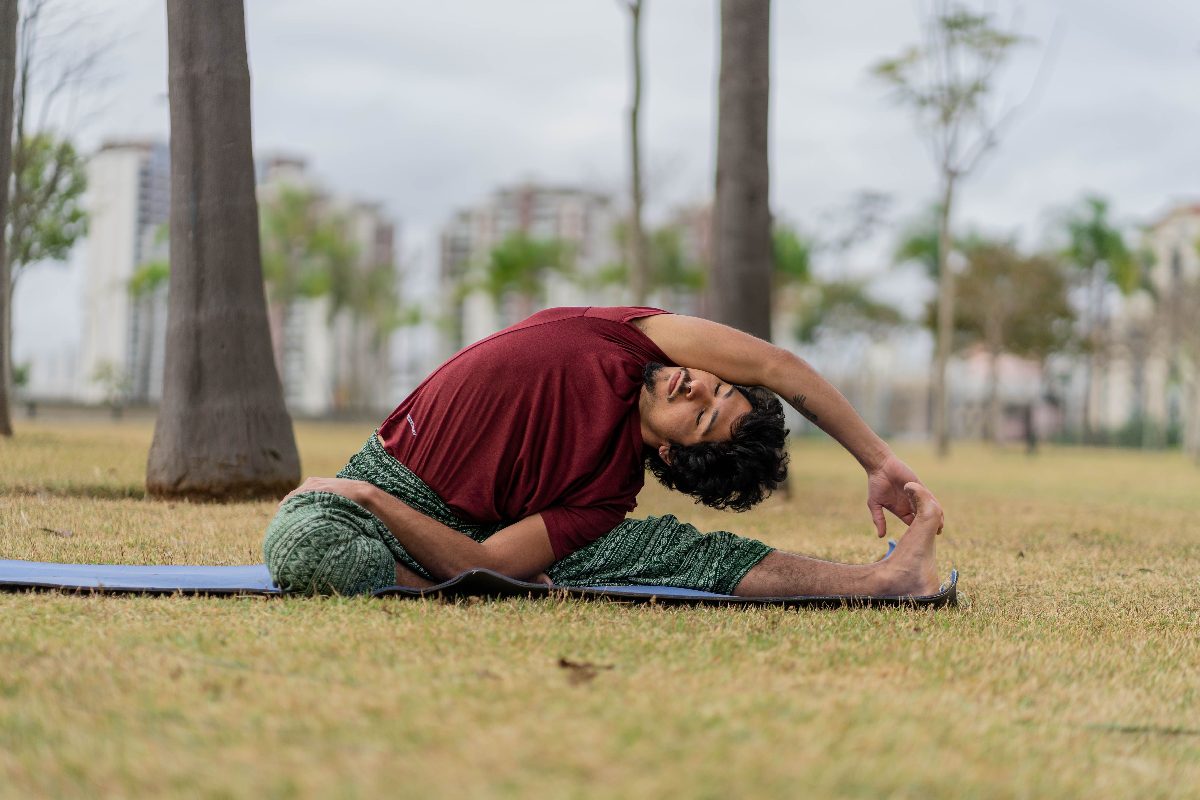
A typical class involves far fewer poses than an active style, often five to eight in a full session, each held for anywhere from two to five minutes or longer. Poses are usually seated or reclined, supported generously with props like bolsters and blankets, with minimal muscular effort involved in holding the shape. The intention is to let gravity and time work on the connective tissue, ligaments and fascia rather than the muscles, which is a fundamentally different target than most other styles.
Yin Yoga suits people looking for a genuinely restful, meditative practice, and also suits active practitioners of other styles looking to balance out a more demanding routine. It pairs particularly well as a complement to intense practices like Ashtanga or Power Yoga, since it targets tissue that faster, more muscular styles do not typically address.
It also suits people who find stillness genuinely challenging, since holding a pose for several minutes without much movement asks for a different kind of patience than a flowing class does.
A common misunderstanding is that Yin Yoga is simply a slower version of Hatha. The two are meaningfully different in intention and technique. Hatha still actively engages muscles to hold a pose, while Yin deliberately relaxes the muscles around a joint to let a much deeper, slower stretch reach the connective tissue instead.
Another misconception is that Yin Yoga is easy because it looks passive from the outside. Holding a pose for several minutes, particularly with minimal muscular support, can be genuinely challenging in its own way, both physically and mentally.
Expect long holds with generous prop support, and expect the teacher to check in less frequently than in a faster paced class, since the intention is for you to settle into stillness rather than move through frequent transitions. Some sensation during a long hold is normal, but sharp pain is not, and should always be mentioned.
Because holds are long and deep, a teacher's understanding of anatomy and appropriate prop use genuinely matters here more than in some faster styles.