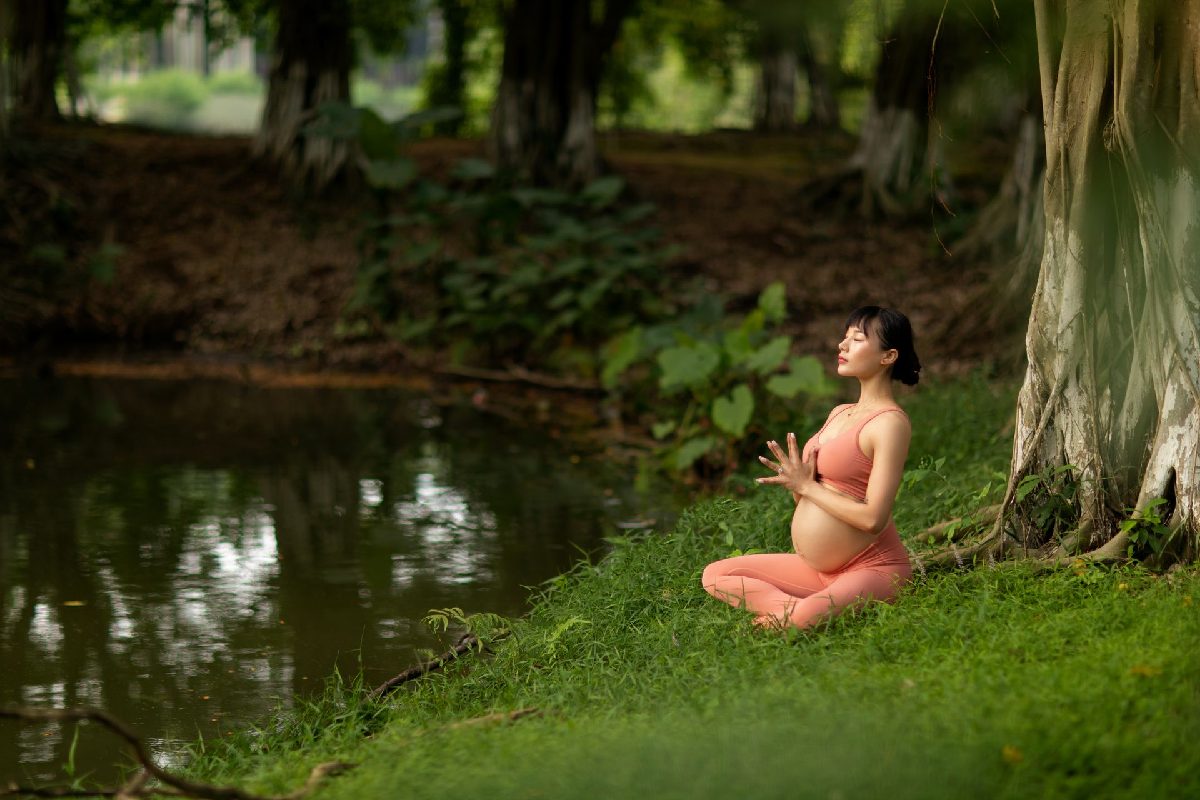
Prenatal Yoga is not a single fixed system the way Ashtanga is, but rather general yoga practice deliberately adapted for pregnancy, with certain poses avoided or modified and others specifically chosen to support the body through each trimester.
Standard poses that involve lying flat on the back for extended periods, deep twists, or pressure on the abdomen are typically avoided or modified in a genuine prenatal class, since these can be uncomfortable or inadvisable at different stages of pregnancy. In their place, a prenatal sequence tends to focus on hip opening, gentle strengthening for the muscles that support labour and delivery, and breathing techniques that carry real practical use during birth itself.
Anamika Mishra, who has taught Prenatal Yoga alongside Pranayama and Therapeutic Yoga in Mumbai for a decade, holds a postgraduate qualification in yoga and psychology, which reflects how prenatal teaching often draws on more than just physical adaptation, since supporting the emotional experience of pregnancy is a genuine part of the practice too.
A typical class moves at a gentler pace than most general styles, with more props used for support, more attention paid to how you are feeling in the moment, and regular check ins about comfort throughout. Breathing techniques are usually woven in more deliberately than in a general class, since controlled breathing is directly useful during labour.
Prenatal Yoga is designed specifically for people who are pregnant, though the right stage to start and the right level of intensity varies by individual and by trimester. It is generally not a class where a general Hatha or Vinyasa teacher without specific prenatal training should be substituted, since the adaptations required are genuinely specific to pregnancy rather than a simple slow down of a regular class.
A common misunderstanding is that any gentle or slow paced yoga class is safe during pregnancy. Genuine prenatal adaptation goes beyond just choosing a slower style, since certain movements common even in gentle Hatha classes are not appropriate during pregnancy. Looking specifically for a teacher trained in prenatal yoga, rather than assuming any slow class will do, matters more here than with most other styles.
Another misconception is that prenatal yoga is only appropriate later in pregnancy. In practice, many teachers work with students from the first trimester onward, adjusting the sequence as pregnancy progresses.
A good prenatal teacher will ask detailed questions before your first class, including how far along you are, whether you have any pregnancy related complications, and what your doctor has advised, if anything specific. Be upfront about all of this, since it directly shapes what a safe sequence looks like for you.
Given how specific the adaptations are, formal prenatal training matters more here than a general yoga certification alone. It is worth asking directly what prenatal specific training a teacher has completed, beyond their base certification.
This article is for general information and is not medical advice. Speak with your doctor before starting or continuing any physical practice during pregnancy.