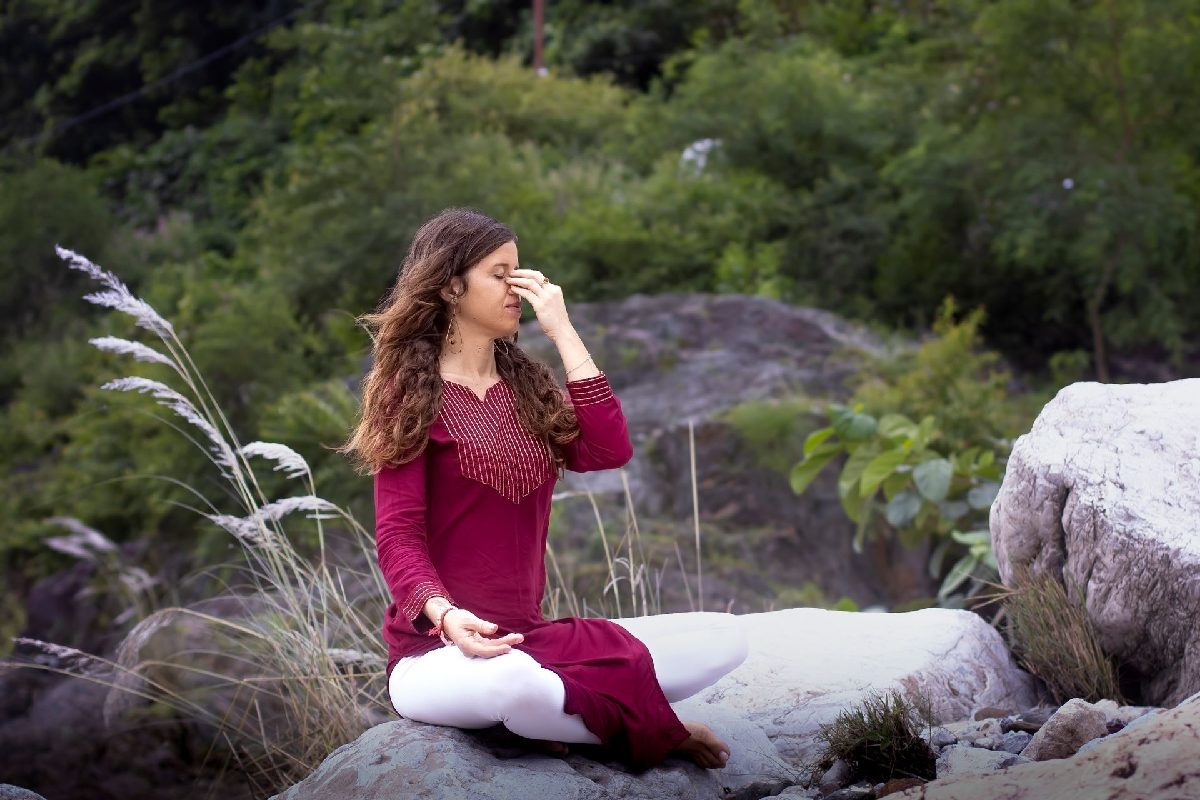
Pranayama is the formal name for breath control practice within yoga, and like meditation, it predates most of the physical postures commonly taught today. The word itself combines prana, meaning life force or breath, with ayama, meaning extension or control. In classical yoga, it sits alongside physical postures and meditation as one of the eight limbs described in Patanjali's Yoga Sutras.
Pranayama covers a range of specific breathing techniques, each with a different structure and a different intended effect. Some techniques are calming and slow, designed to settle the nervous system. Others are more energising, involving quicker or more forceful breathing patterns. A teacher typically selects specific techniques based on what a student is looking for, whether that is stress relief, better focus, or general respiratory health.
Ravinder Kumar, who teaches Pranayama alongside Ashtanga and Meditation in Delhi, offers a structured 15 day Pranayama programme specifically, which reflects how the practice is often taught as its own dedicated course rather than only a few minutes tacked onto the start of a physical class. Vijaya Singh and Pratiksha Patil both include Pranayama as part of their broader teaching in Pune, integrated alongside physical postures and meditation.
Sessions are usually seated, with attention paid to posture before the breathing technique itself begins, since an upright, relaxed seated position genuinely affects how effectively the technique works. A class typically introduces one or two specific techniques at a time, with the teacher explaining the intended effect and any precautions, rather than moving quickly through many different practices in one sitting.
Pranayama suits people looking for a mental or nervous system focused practice, often alongside rather than instead of physical postures. It is genuinely accessible to people with physical limitations that make more demanding poses difficult, since the practice itself asks for stillness rather than physical flexibility or strength.
A common misunderstanding is that all pranayama techniques are gentle and universally safe. Some techniques are genuinely more intense and are not recommended for people with certain health conditions, including some respiratory or cardiovascular conditions, or during pregnancy. This is exactly why learning from an experienced teacher, rather than an unnamed online video, matters more for pranayama than it might for a purely physical class.
Another misconception is that pranayama is simply "deep breathing" and does not require real instruction. Specific techniques have specific structures, ratios, and intended effects, and doing them incorrectly can feel uncomfortable or counterproductive rather than calming.
A good teacher will ask about any respiratory, cardiovascular, or other relevant health conditions before introducing more advanced techniques, and will start with simpler, calming practices before anything more intense.
Given the range of techniques and the precautions involved with some of them, it is worth asking specifically what a teacher's training covers and whether they tailor technique selection to individual students rather than teaching one fixed sequence to everyone.
This article is for general information and is not medical advice. If you have a respiratory or cardiovascular condition, speak with a doctor before starting pranayama practice.