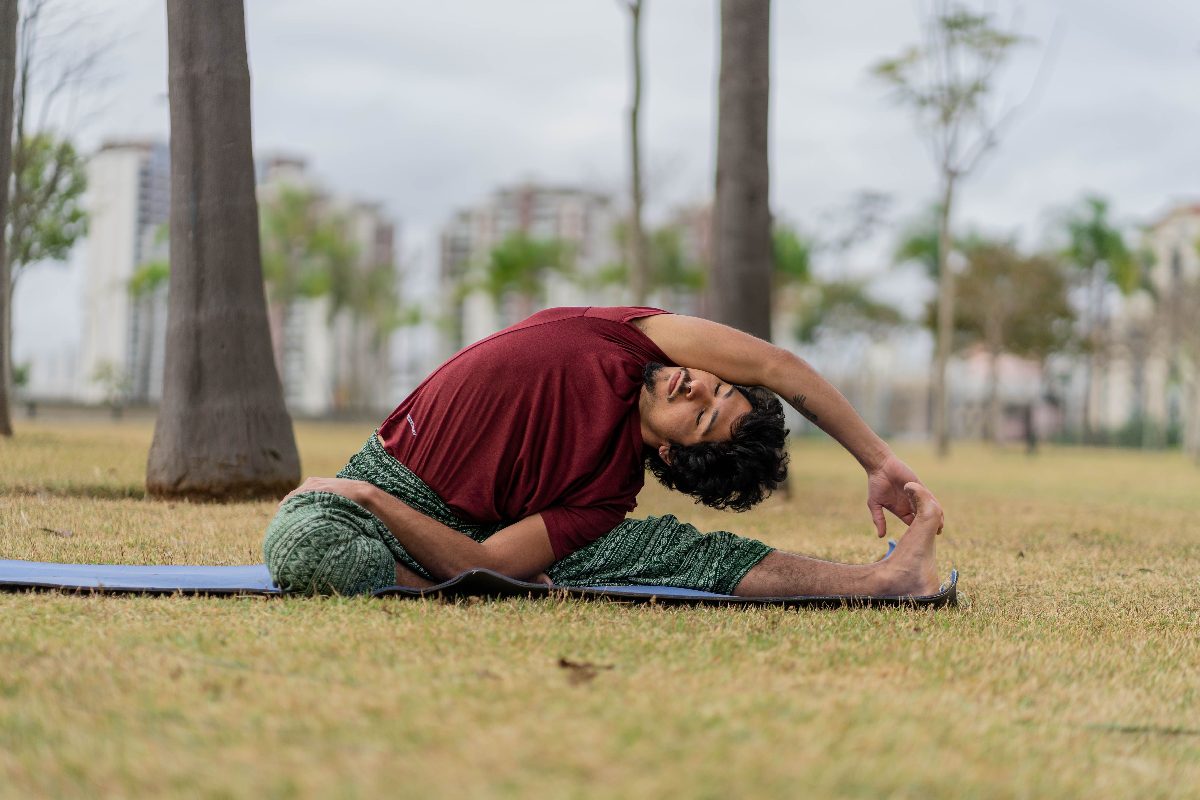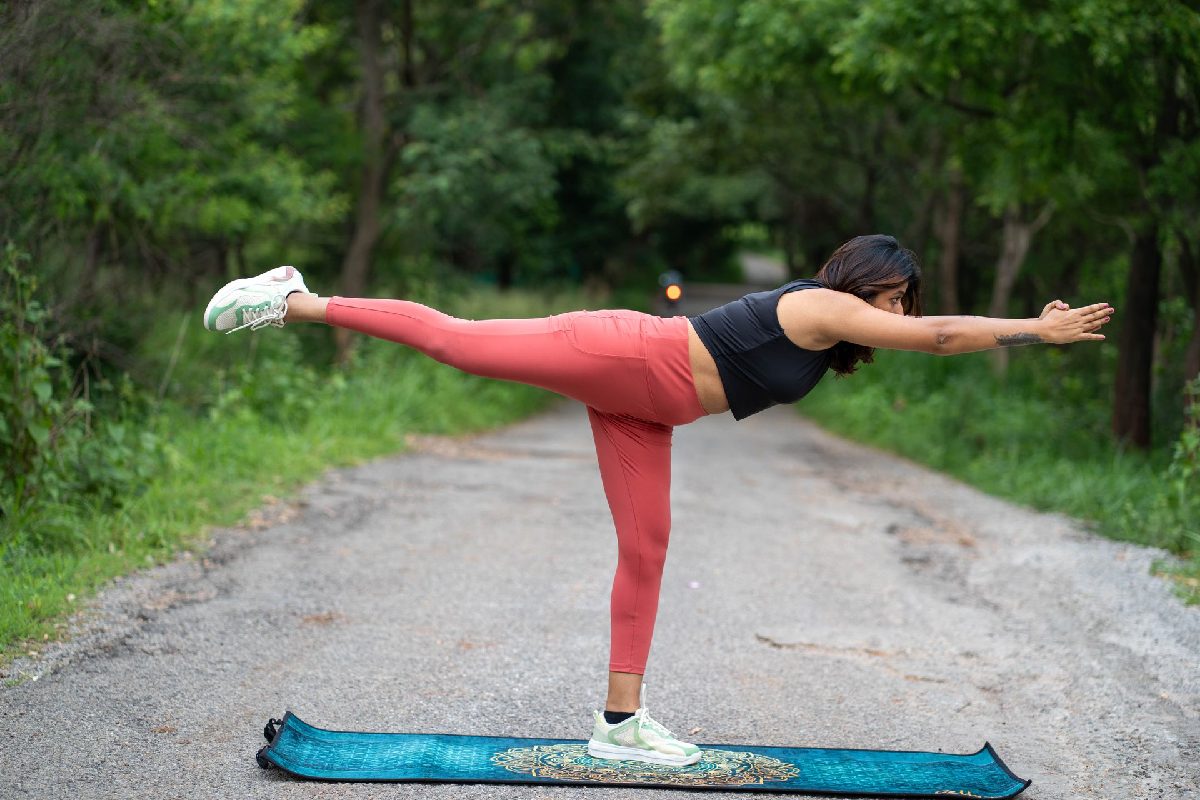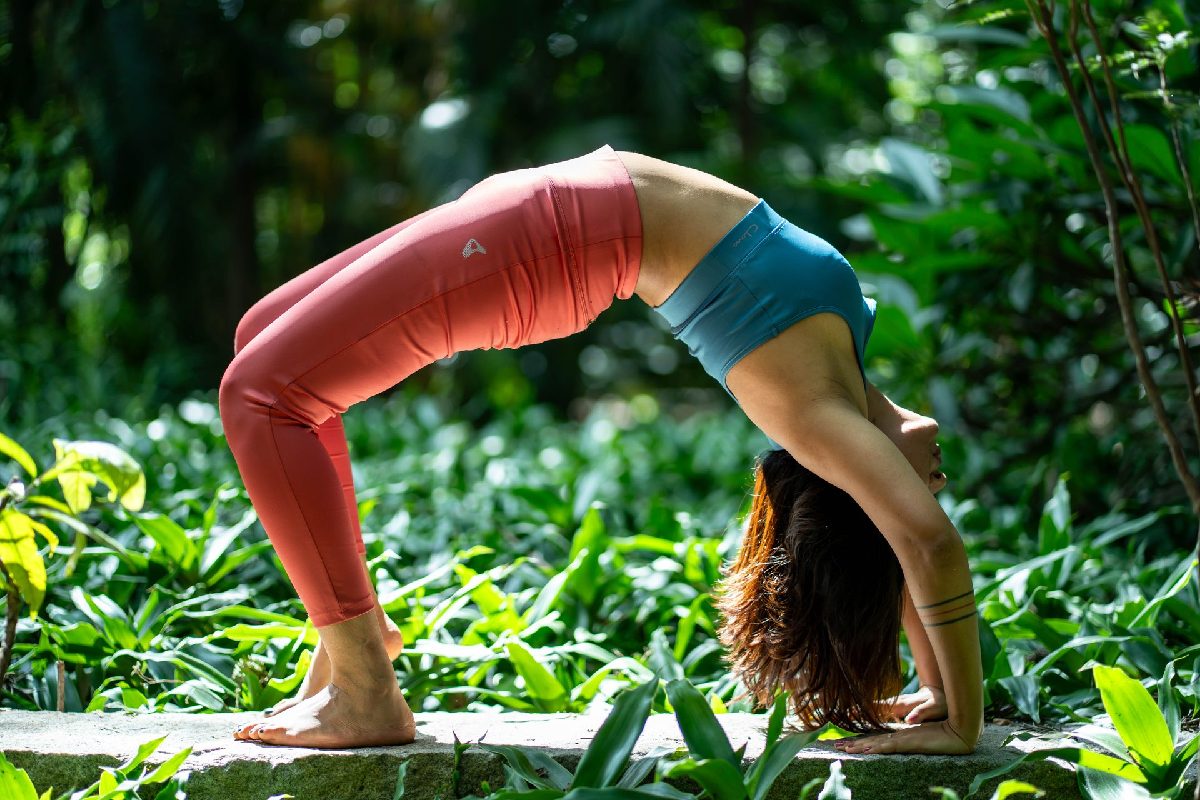
Power Yoga is a deliberately fitness focused style, built to make a vigorous, athletic workout out of yoga's flowing postures rather than emphasising the more meditative or spiritual side of the practice.
Power Yoga emerged in the United States in the late 1980s, largely credited to two teachers working independently around the same time: Beryl Bender Birch in New York and Bryan Kest in California, both of whom had trained in Ashtanga under Pattabhi Jois and adapted it into a more accessible, less rigidly sequenced format aimed at athletes and fitness focused students. Baron Baptiste, drawing more from Bikram Yoga, also contributed to popularising the style. Unlike Ashtanga, Power Yoga does not follow one single fixed sequence, and different teachers bring their own structure to it.
Expect a fast paced, continuously flowing sequence with a strong emphasis on strength and cardiovascular effort, often building noticeable heat in the body. Poses are usually held briefly and transitions are quick, with less time spent on detailed alignment instruction than a Hatha or Iyengar class might offer. The overall feel is closer to an athletic workout than a slow, contemplative practice.
Power Yoga suits people coming to yoga primarily for fitness and physical challenge, who want a session that builds strength and raises their heart rate, and who are reasonably comfortable moving quickly through poses without extensive individual instruction on each one. It tends to appeal strongly to people already active in other sports or fitness routines, since the pace and intensity feel familiar.
It generally is not the best starting point for complete beginners looking for a gentle introduction to yoga, or for anyone managing an injury that requires careful, slow adaptation.
A common misunderstanding is that Power Yoga is simply Ashtanga under a different name. The two share historical roots, but Power Yoga deliberately moved away from Ashtanga's fixed sequence to create something more flexible and accessible to fitness focused students unfamiliar with traditional yoga.
Another misconception is that Power Yoga has no meditative or breath focused element at all. Most Power Yoga teachers still incorporate breath awareness throughout, even if the overall pace and intention lean more toward physical exertion than stillness.
Expect a genuinely demanding physical session, faster paced than most other styles, with less individual pause for detailed correction than a slower class might offer. A good teacher will still offer modifications for beginners, even within a fast moving sequence, so do not hesitate to ask for one if a pose feels like too much.
Given the physical intensity, it is worth being honest with a teacher about your current fitness level and any injuries before your first class, so they can point you toward an appropriately paced session rather than assuming full intensity is right for you from day one.