Meditation is one of the oldest components of yoga, older in fact than most of the physical postures taught today. Patanjali's Yoga Sutras, one of the foundational texts of classical yoga, describe meditation, or dhyana, as one of the eight limbs of the practice, alongside physical postures and breath control. On a teacher's profile in India, meditation is usually offered either as a standalone class or woven into a broader Hatha or Pranayama session.
At its core, meditation practice trains sustained, focused attention, whether that is attention on the breath, on a specific point of focus, on a mantra, or simply on the present moment without judgement. Different teachers draw on different traditions and techniques, from simple breath awareness to more structured guided visualisation, so what a specific class actually involves varies meaningfully by teacher.
Pratiksha Patil, who teaches Meditation alongside Pranayama and Therapeutic Yoga in Pune, focuses specifically on complete beginners, building a gentle, slow paced foundation rather than assuming any prior meditation experience. Ravinder Kumar, teaching in Delhi, offers a structured 15 day guided meditation programme, which reflects how meditation is often taught as its own dedicated course rather than only as a short addition to a physical class.
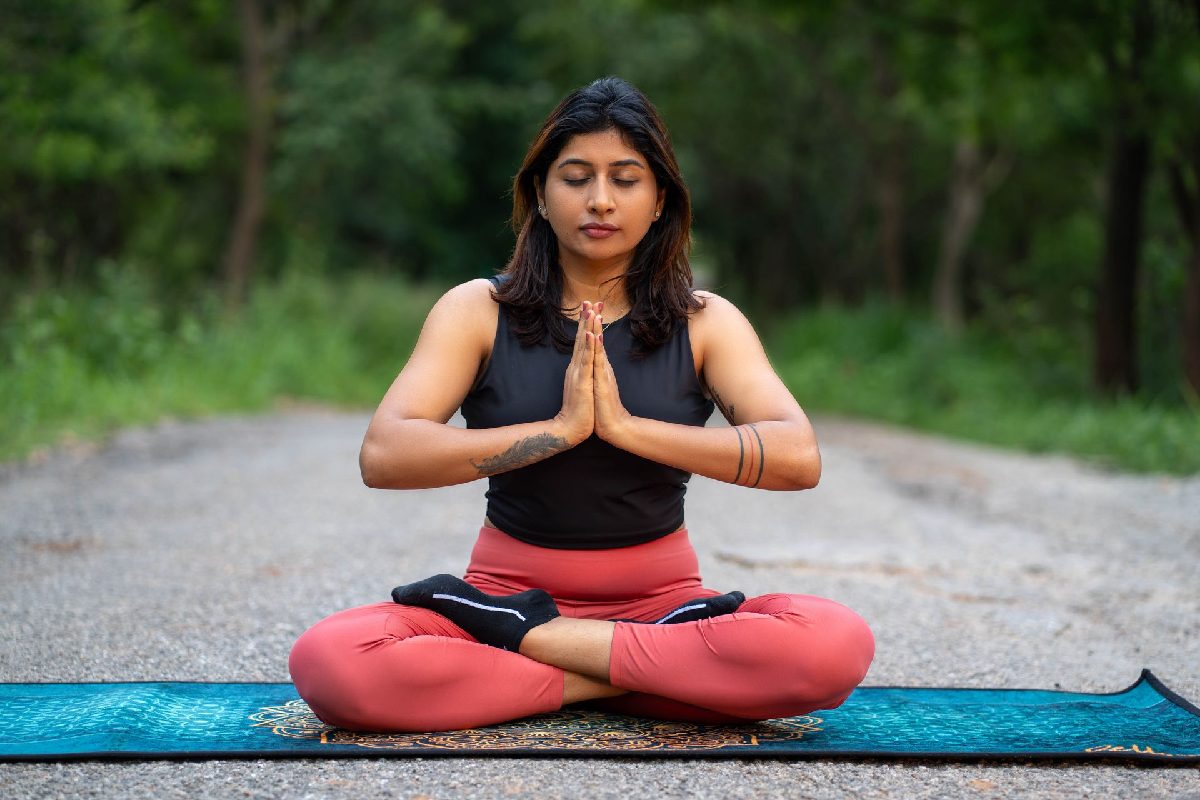
Sessions are typically seated, though some traditions include walking or moving meditation as well. A class usually opens with settling in and a few minutes of breath awareness, moves into the main practice, whether guided or silent, and closes with a gentle return to normal awareness. Sessions tend to be shorter than a full physical yoga class, though this varies by teacher and by programme.
Meditation suits people looking for stress relief, better focus, or a mental practice alongside or separate from physical postures. It is genuinely accessible to complete beginners, unlike some physical styles that require a certain baseline of fitness or flexibility, since meditation itself asks for stillness and attention rather than physical capability.
A common misunderstanding is that meditation requires completely stopping your thoughts. In most traditions, the goal is closer to noticing thoughts without being pulled along by them, rather than achieving total mental silence, which is a subtle but important difference for beginners who often feel they are doing it wrong simply because thoughts keep arising.
Another misconception is that meditation only works if practiced for long stretches at a time. Consistent short sessions, even 10 to 15 minutes regularly, tend to build the skill more reliably than occasional long sessions.
Expect a gentle introduction, often starting with simple breath awareness before any more structured technique. A good teacher will explain what to actually do with a wandering mind, since this is the single most common early frustration for beginners.
Meditation traditions vary meaningfully, so it is worth asking which specific approach a teacher works from and whether it matches what you are looking for, whether that is stress relief, focus, or a more spiritual practice.