Hatha Yoga is one of the first names most people encounter when they start looking into yoga, and also one of the most misunderstood. It is sometimes treated as a catch all term for any slow paced class, and sometimes treated as the strict, traditional root from which every other style branches off. Both of those are partly true, which is exactly why it helps to look at what the term actually means in practice.
Hatha broadly means the practice of physical postures, or asanas, alongside breath control, as one part of a wider yogic tradition. In its broadest sense, almost every physical yoga style taught today, including Vinyasa and Ashtanga, technically falls under the umbrella of Hatha Yoga. In everyday use, though, and almost always when you see it listed on a teacher's profile in India, Hatha refers to a specific teaching style: slower paced, with poses held longer and more time spent on alignment than on continuous movement.
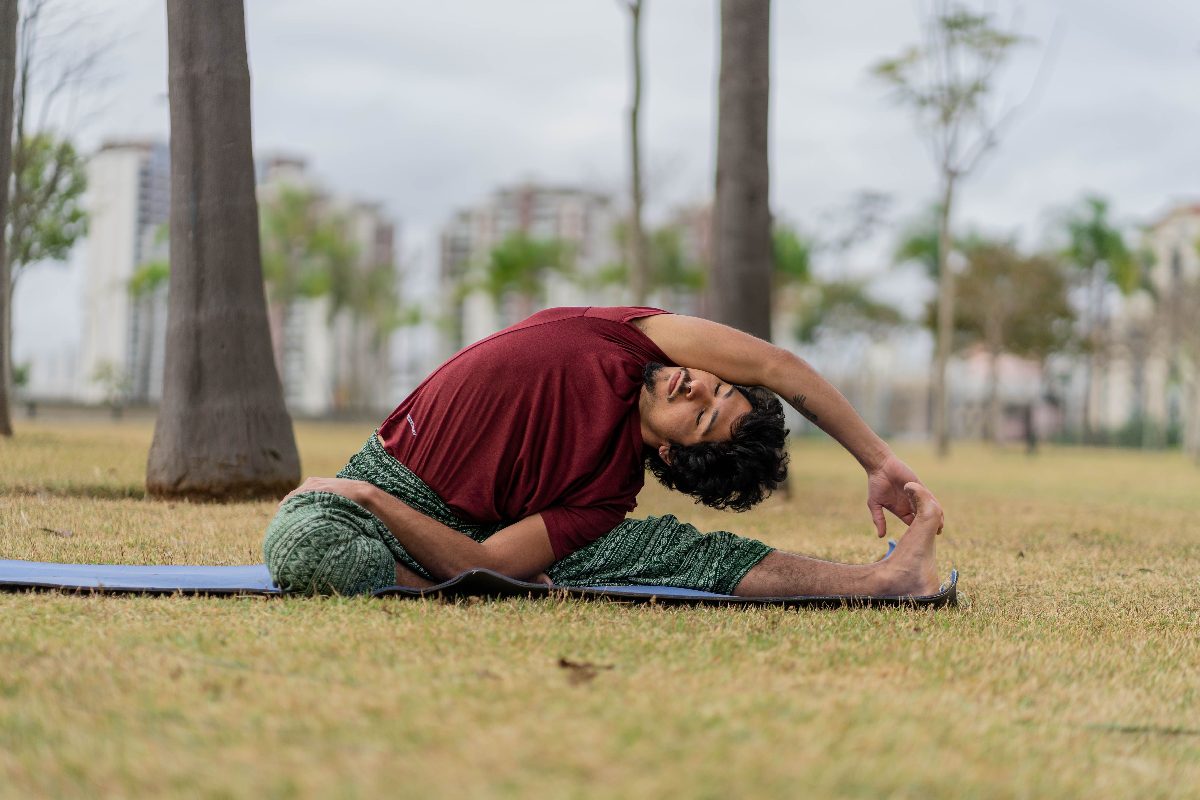
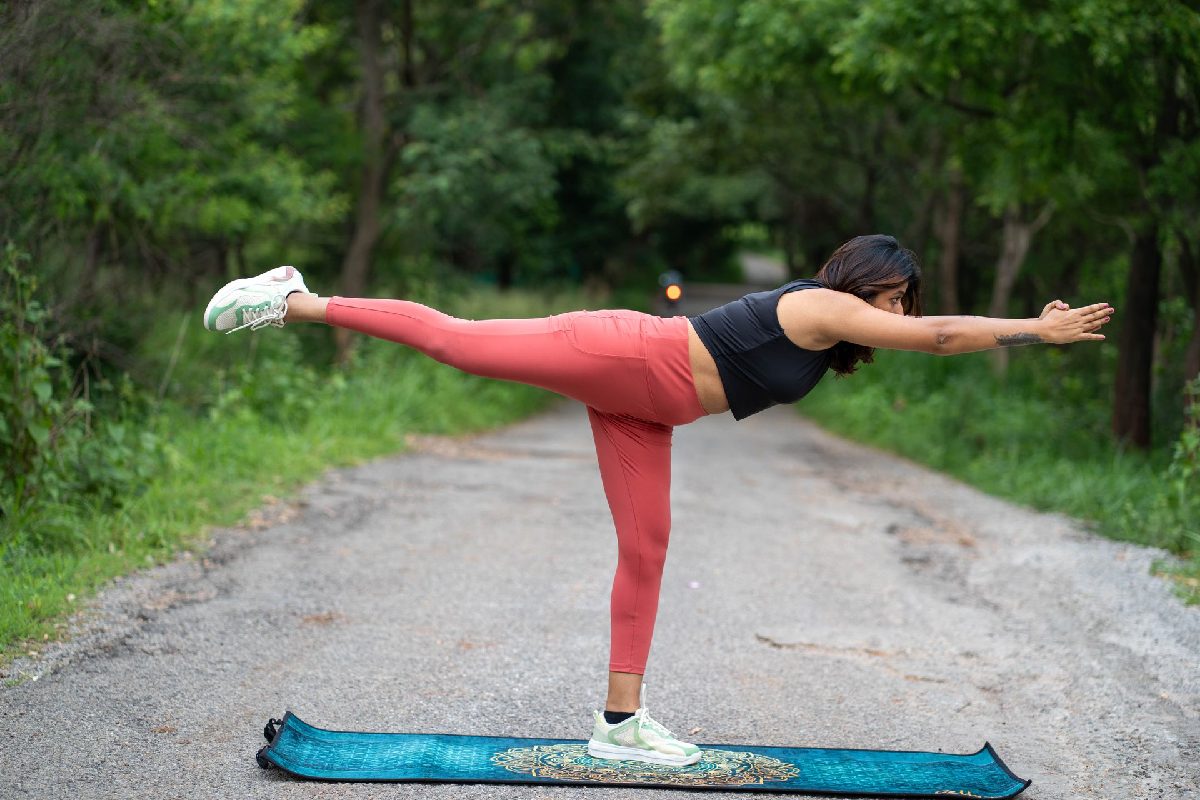
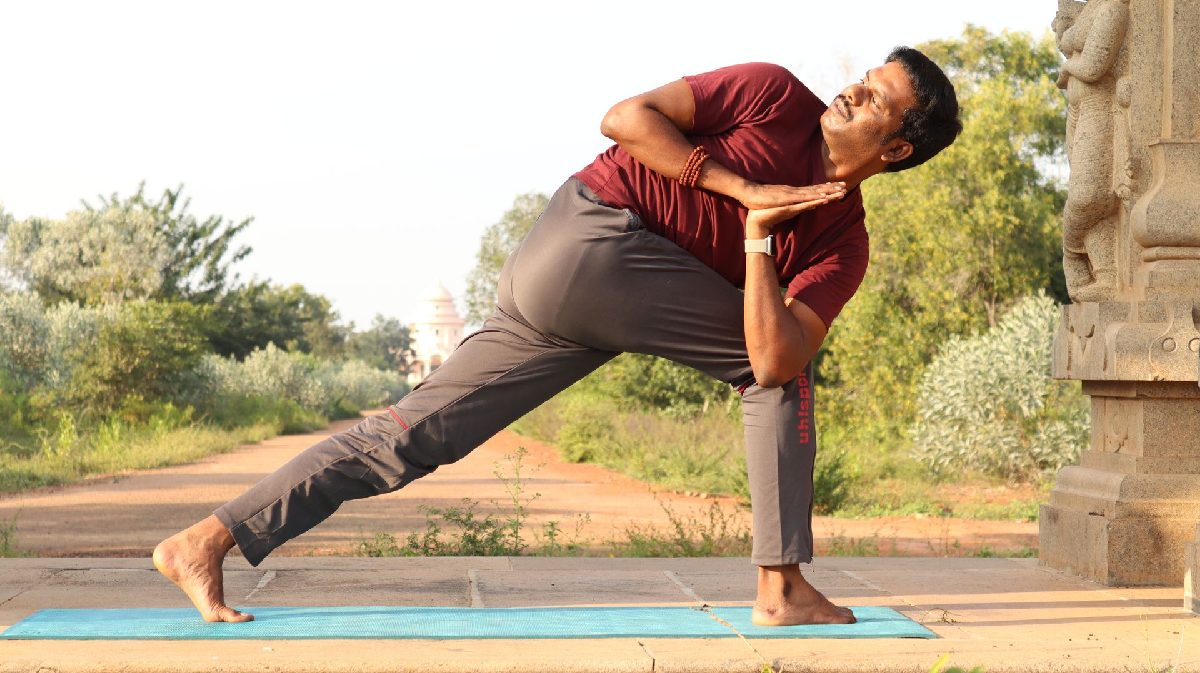
A typical class opens with a few minutes of settling in and breathing, moves through a sequence of postures held for several breaths each, and closes with a relaxation period, often called Shavasana. Poses are introduced one at a time with real instruction on alignment, rather than flowing quickly from one into the next. This is what gives Hatha its reputation as steady and methodical rather than fast paced.
Khushboo Chatterjee, who teaches Hatha alongside Vinyasa and Restorative Yoga in Bengaluru, blends her Hatha classes with breathwork and relaxation techniques specifically to help beginners build a foundation before moving into anything quicker. That approach is fairly representative of how Hatha is taught well across India right now, less a rigid, separate category and more the base that faster styles get built on top of.
Hatha is often recommended as a starting point for complete beginners, and for good reason. The slower pace gives you time to actually understand a pose, rather than moving on before you have found your footing in it. It also tends to suit people managing joint sensitivity, recovering from an injury, or anyone who wants a session that feels calm and grounding rather than physically demanding.
That said, Hatha is not only for beginners. Experienced practitioners return to it regularly, since holding a pose with real attention to alignment is its own genuine challenge, distinct from the challenge of a fast flowing sequence.
The most common misunderstanding is that Hatha is the easy version of yoga, a warm up before you graduate to something more serious. Pace and difficulty are not the same thing. A well taught Hatha class, held with correct alignment for several breaths at a time, builds real strength and stability, just through a different mechanism than a fast paced Vinyasa flow.
Another common assumption is that all Hatha classes are identical, since it is often listed as a single style on a profile. In practice, how a Hatha class actually feels varies quite a bit from teacher to teacher, shaped by their training, their own influences, and how much breathwork or meditation they weave into the session. It is worth trying a class with a specific teacher rather than assuming the style label alone tells you everything.
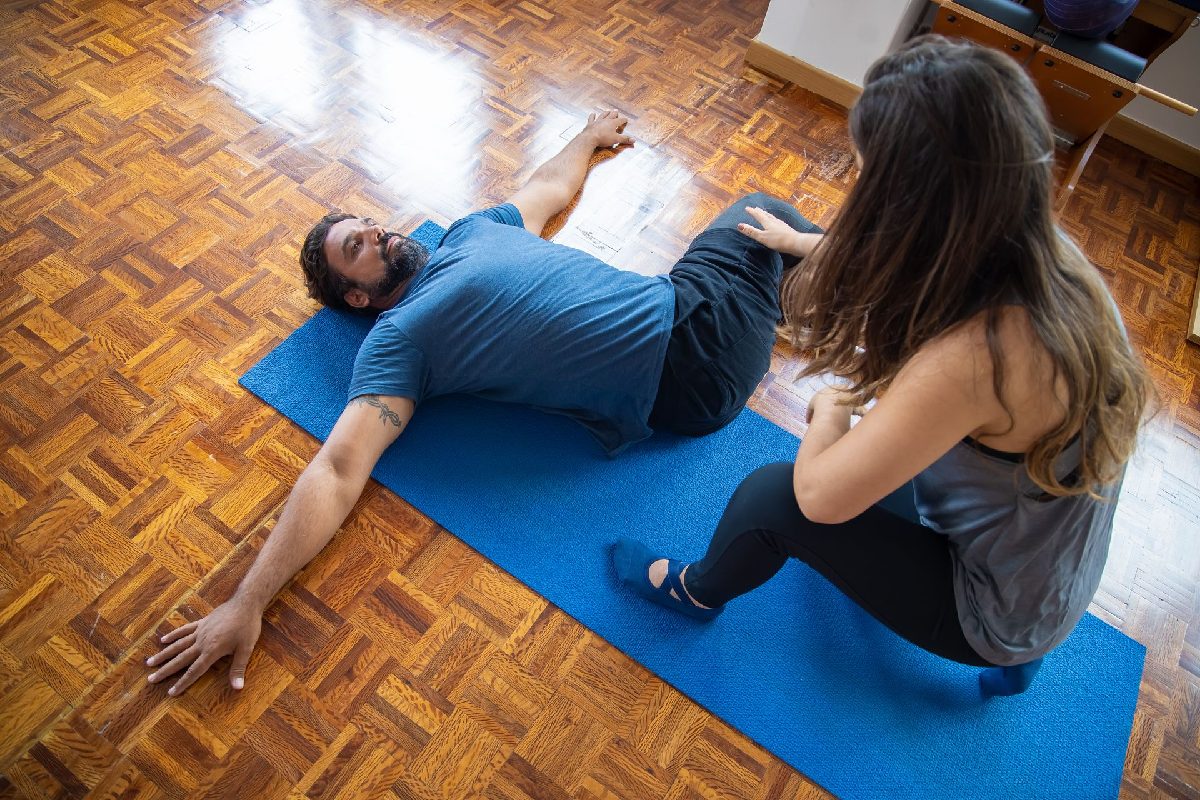
Wear comfortable clothing that lets you move freely, and expect the teacher to check in with you more than with returning students, since they are still learning how your body moves and responds. A good Hatha teacher will ask about injuries or limitations before starting, and will offer modifications rather than expecting you to match a pose exactly as demonstrated.
Style alone is a useful filter, but it is only the first step. Once you know Hatha is the pace you are looking for, the more important question becomes who is actually teaching it well near you or online, based on real experience and genuine student reviews rather than the label on its own.